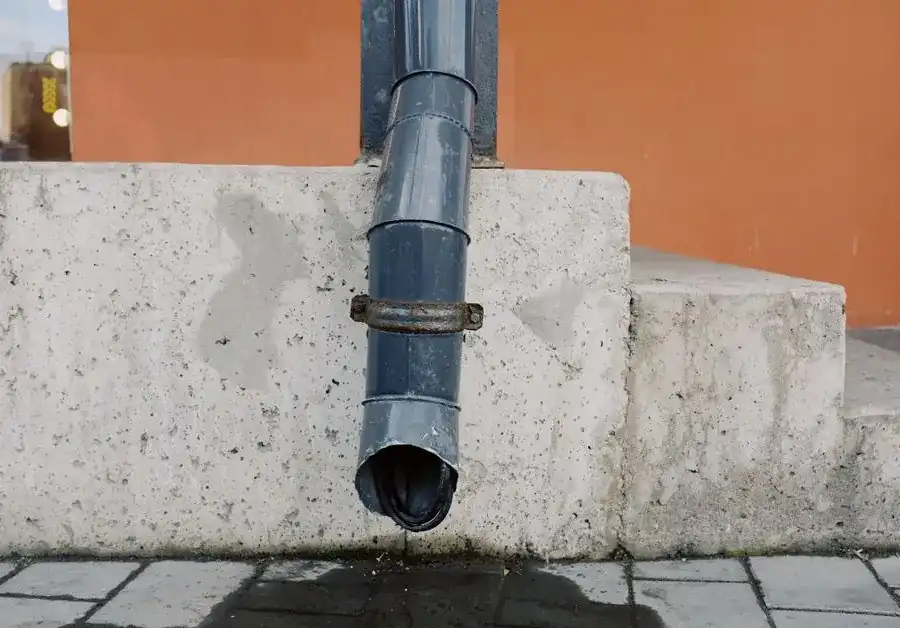
Barrie winters are hard on eavestroughs, and ice dams are one of the most damaging things a system can face. Here’s what’s actually happening when ice builds up along your roofline, and what it means for your gutters.
What Causes an Ice Dam
Heat escaping from the attic warms the upper roof, melting snow that then refreezes once it reaches the colder eaves. Over time, that ice builds into a dam that blocks proper drainage — and forces meltwater to back up under shingles and into eavestroughs never designed to hold standing ice.
How It Damages Eavestroughs
- The sheer weight of ice can pull hangers loose and bend or sag the trough itself
- Trapped water that refreezes can crack seams and joints
- Ice sliding off the roof can tear eavestroughs away from the fascia entirely
Signs of Ice Dam Damage
- Visible bending, sagging, or gaps between the eavestrough and fascia after winter
- Water stains on interior ceilings near the eaves
- Loose or missing hangers found during a spring check
Reducing the Risk
Proper attic insulation and ventilation address the root cause by keeping the roof surface more evenly cold. On the eavestrough side, secure hangers and a system sized and pitched correctly hold up far better under ice load than an older, sagging one.
After a Hard Winter
If this past winter left your eavestroughs looking rougher than usual, it’s worth a free inspection before the next freeze-thaw cycle does further damage. Most ice-related issues are a straightforward repair if caught early.
Think You Might Need Eavestrough Work?
Get a free, no-obligation assessment for your Barrie home.